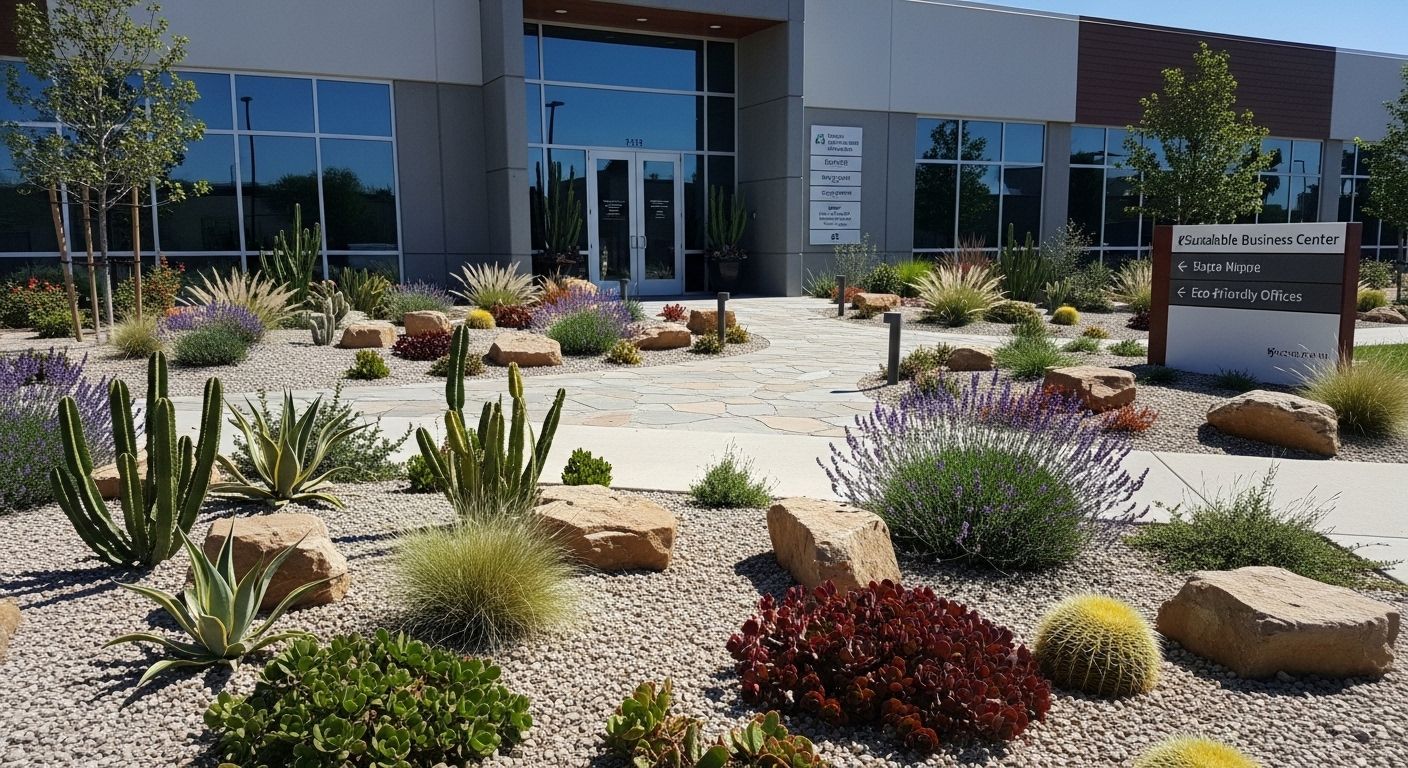
What Our Horticulture Consulting Covers
A Las Vegas Xeriscape horticulture consultation begins with an on-site visit to your property. We assess your soil composition and pH, evaluate your drainage conditions and sun exposure across different areas of the yard, review your existing irrigation infrastructure, and discuss your aesthetic goals, maintenance expectations, and budget parameters for plant material. Las Vegas generally sits within USDA Hardiness Zone 9b, a designation that reflects the city's minimum winter temperatures and directly determines which plants will survive the frost events that occur with more frequency and intensity than many Las Vegas homeowners anticipate when selecting plant material based on heat tolerance alone.
Understanding the distinction between native and adaptive species is one of the most practically important pieces of knowledge we share in every consulting session. Native plants are species that evolved specifically in the Mojave Desert ecosystem and are adapted to Las Vegas's precise combination of soil chemistry, rainfall patterns, temperature extremes, and seasonal cycles. Adaptive species are plants from other arid regions around the world, the Mediterranean, South Africa, Australia, the Chihuahuan Desert, that perform reliably in Las Vegas conditions despite not being native to the Mojave. Both categories have a place in water-wise landscape design in Las Vegas, and knowing which species from each category perform best in your specific site conditions is the knowledge our consulting service puts directly in your hands.
Seasonal planting windows in Las Vegas are specific and consequential. According to the University of Nevada Cooperative Extension, the optimal planting windows for desert-adapted species in the Las Vegas Valley are fall, from September through November, and early spring, from February through April, periods when soil temperatures support root establishment without the heat stress of summer or the cold stress of peak winter. Planting outside these windows is not impossible, but it significantly increases irrigation requirements during establishment and reduces survival rates for species that would otherwise establish with minimal intervention. Our consulting sessions include specific guidance on timing your planting for the conditions your chosen species need to establish successfully.